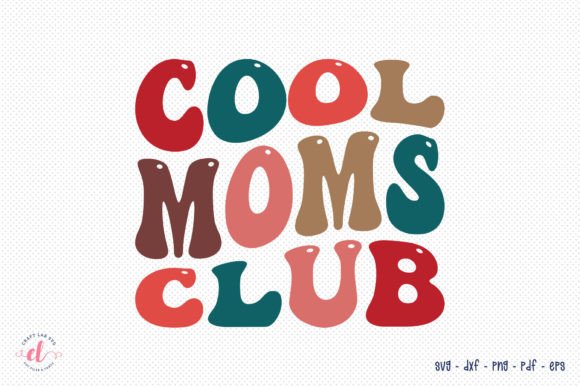
Retro Mother's Day SVG: Cool Moms Club Review
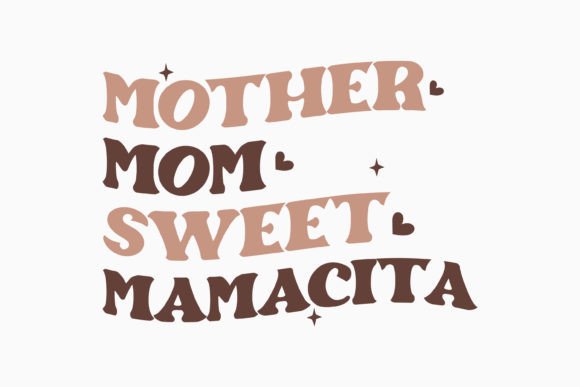
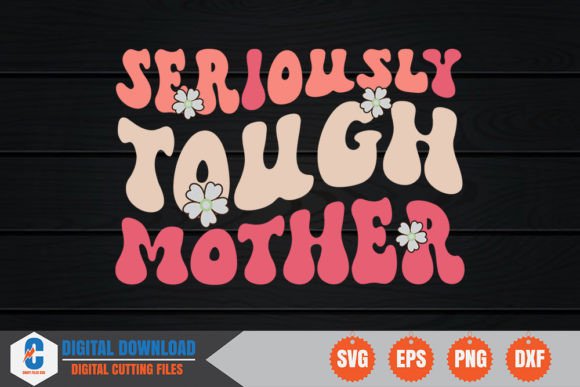
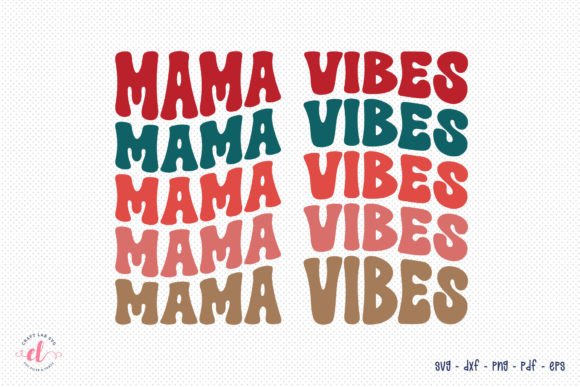
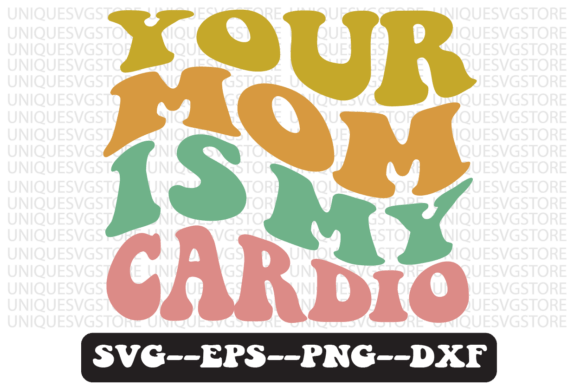
As a professional embroidery digitizer and product reviewer, I approach every new machine embroidery design with a critical eye. When evaluating the Retro Mother’s Day SVG for the "Cool Moms Club" theme, my first thought isn't just about the aesthetic appeal; it is about stitchability and commercial viability. This design captures a specific nostalgic mood that resonates deeply with modern crafters and Etsy sellers, but translating a retro graphic into a tangible handmade product requires understanding how vector lines convert to thread. The layout suggests a bold, typographic focus typical of 70s-inspired graphics, which immediately signals that this will be a statement piece rather than a subtle accent.
First Impressions and Design Personality
The visual personality of this embroidery file leans heavily into warm nostalgia. The "Cool Moms Club" concept paired with retro styling creates an instant emotional connection, making it ideal for personalized gifts or boutique merchandise. From a designer’s perspective, the composition appears balanced for center-chest placement on custom apparel or as a primary focal point on a tote bag design. The retro font choices usually imply thicker letterforms, which is excellent news for embroiderers because they provide enough surface area for clean satin stitch columns or textured fill stitch patterns. However, the success of this design relies entirely on maintaining the integrity of those vintage curves during the digitizing or stitching process. If the curves are too tight, you risk thread breaks; if they are too loose, the retro vibe gets lost.
Real-World Application: The Sweatshirt Test
To truly evaluate this asset, I mentally placed it in a real-life production scenario: creating a premium crewneck sweatshirt for a small shop product launch. Sweatshirts are currently the gold standard for Etsy seller inventory, but fleece presents unique challenges due to its pile and stretch. When stitching the Retro Mother’s Day SVG onto French terry or heavyweight fleece, the stitch density becomes the most critical variable. A design meant for crisp cotton might sink into fleece, causing the "Cool Moms Club" text to look muddy or disappear entirely.
In this scenario, I would treat this as a potential applique design opportunity if the lettering is sufficiently bold. Using a felt or woven cotton applique for the main text elements can reduce stitch count significantly while adding a tactile, high-end finish that customers love. If executing strictly with thread, I would ensure the underlay is robust enough to stabilize the fleece nap before the top stitches land. This practical adjustment transforms a standard digital embroidery file into a retail-ready garment that feels substantial and expensive, directly impacting buyer engagement and perceived value.
Navigating Fabric Limitations and Hoop Constraints
While this design shines on stable knits and canvas, caution is necessary when venturing into more difficult substrates. For baby embroidery projects like onesies or bibs, the scale must be reduced. Here, the intricate details of a retro typeface can become problematic. Tiny serifs or internal counters in letters may close up when scaled down below three inches. Always verify the minimum size recommendations in your embroidery project planning. If the design loses legibility at smaller sizes, reserve it for adult garments or larger home decor items like pillow covers.
Textured fabrics like linen tea towels or waffle-weave kitchen textiles also demand attention. The irregular surface can distort straight lines and perfect circles inherent in retro typography. In these cases, using a heavier stabilizer and potentially a water-soluble topping is non-negotiable to keep the stitches sitting on top of the texture. Conversely, avoid using this design on highly elastic performance wear without significant modification, as the dense retro lettering may restrict the fabric's stretch, leading to puckering or discomfort for the wearer. For caps and curved surfaces, confirm that the design has been specifically digitized for cylindrical hoops; flat retro designs often distort severely when wrapped around a hat brim.
Commercial Viability and Brand Consistency
For creative entrepreneurs and craft business owners, consistency is key. The Retro Mother’s Day SVG offers strong branding potential because the "Cool Moms Club" phrase is evergreen within the parenting niche. It works equally well for Mother’s Day holiday embroidery and year-round mom-life merchandise. When listing this as a finished product, the retro aesthetic photographs beautifully in printable mockups and lifestyle shots, driving higher click-through rates. However, professionalism dictates that you test the design on your specific equipment before fulfilling orders. Color contrast matters immensely here; retro palettes often use analogous colors that might blend together in low light. Ensure your thread colors offer enough differentiation so the message reads clearly from a distance.
Furthermore, consider the versatility across different design assets. While primarily marketed for apparel, this graphic translates exceptionally well to embroidered patches. Patches allow you to stitch on stable twill or felt, avoiding all the stabilization headaches associated with stretchy garments. You can then sell the patches as standalone items or apply them to denim jackets and bags, expanding your product line without purchasing new files. This flexibility makes the design a high-value addition to a commercial library.
Essential Designer Notes for Success
Before loading this digital embroidery file into your machine for a client project or personal make, adhere to these professional best practices:
- Test Stitch First: Never run a new design directly on a final product. Stitch out the Retro Mother’s Day SVG on scrap fabric that matches your project weight to check for registration issues or tension problems.
- Verify Licensing: Confirm whether your purchase includes commercial rights for selling physical embroidered items versus digital redistribution. Most licenses cover finished goods but prohibit sharing the file itself.
- Check File Compatibility: Ensure the format provided matches your machine brand. While conversion software exists, native formats usually yield better stitch quality.
- Evaluate Stabilizer Pairing: Match your backing to the fabric, not just the design. Cutaway for knits, tear-away for wovens, and wash-away for delicate sheers.
- Mockup Validation: Create black and white mockups alongside color versions. If the design doesn't read well in grayscale, your thread contrast needs adjustment regardless of how pretty the colors are.
- Inspect Small Details: Zoom in on the screen view to identify any jump stitches that might need manual trimming or tie-offs to prevent unraveling after washing.
Final Thoughts on Project Selection
The Retro Mother’s Day SVG, Cool Moms Club, is a versatile asset that bridges the gap between trendy aesthetics and classic sentiment. Its strength lies in its adaptability across custom apparel, home decor, and accessories. By respecting the technical requirements of machine embroidery design—specifically regarding density, stabilization, and scale—you can elevate this graphic from a simple digital download to a cherished personalized gift or best-selling shop item. Whether you are embellishing a canvas tote for a farmer's market or stitching a premium sweatshirt for an online boutique, this design delivers the warmth and style that today's makers and customers crave. Just remember that successful embroidery is always a partnership between beautiful art and sound technical execution.