Mom I Love You More Retro SVG Design Review
As a professional embroidery designer and product reviewer, I approach every new digital asset with a critical eye toward production viability. When evaluating the Mom I Love You More Retro SVG Design, my primary focus is not just on the aesthetic appeal of the retro typography, but on how this graphic translates from a screen to a tangible, stitched reality. For crafters, Etsy sellers, and apparel decorators, understanding the intersection between vector graphics and needlework is essential for creating high-quality merchandise that withstands wear and washing.
First Impressions: Retro Aesthetics Meets Stitch Logic
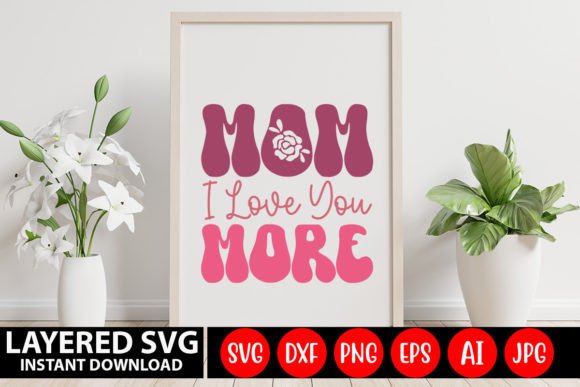
The initial visual impact of the Mom I Love You More Retro SVG Design strikes a balance between nostalgic warmth and modern clarity. The retro style typically implies bold, flowing scripts or bubbly serif fonts that evoke 70s and 80s nostalgia. From a design perspective, this mood is excellent for emotional connection, which is vital for personalized gifts and mother-centric products. However, as an embroiderer, I immediately look at the line weight and spacing. Retro designs can sometimes suffer from overly thin connectors or intricate internal details that disappear when converted to thread.
This specific file package includes Word By Layer SVG files and an AI vector file. This separation is a significant advantage for machine embroidery designers. Having words on individual layers allows us to isolate elements for color changes or to adjust spacing before digitizing. It prevents the common issue where letters merge unintentionally during the stitch-out process. The clean vector lines suggest that this design will digitize well into satin stitches for lettering and fill stitches for larger solid areas, provided the user respects minimum width requirements for their specific machine.
Real-World Application: The Custom Sweatshirt Test
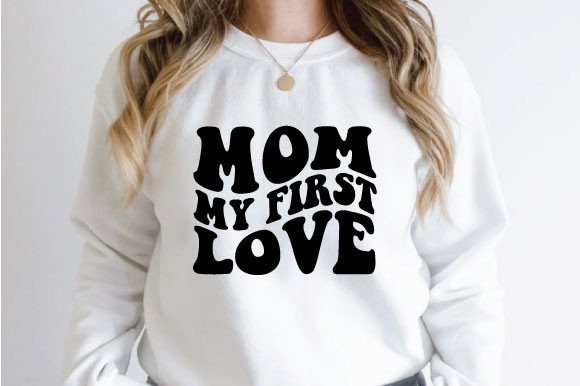
To truly evaluate this asset, I mentally place it in a real-life production scenario. Imagine preparing a custom embroidered sweatshirt for a Mother’s Day boutique collection. Fleece and French terry fabrics are textured and stretchy, presenting unique challenges for detailed typography. In this context, the Mom I Love You More Retro SVG Design serves as a strong centerpiece for chest placement or back yoke embroidery.
When applying this design to a sweatshirt, the retro font's thickness works in your favor. Thin, elegant scripts often get lost in the nap of fleece, but bolder retro lettering maintains legibility. I envision pairing this SVG with a puff foam technique for added dimension, which aligns perfectly with the vintage vibe. For a tote bag design, the layout appears balanced enough to stand alone without additional embellishments, making it efficient for small shop product runs where speed and consistency matter. The emotional resonance of the phrase combined with the trendy visual style creates a high-perceived value item that customers are eager to purchase as a holiday gift or everyday accessory.
Navigating Fabric Limitations and Hoop Constraints
While the design is versatile, practical judgment dictates caution in certain applications. Not every fabric is suitable for retro typography. If you plan to use this for baby embroidery on delicate onesies, you must verify the stitch density. Retro designs can be dense; placing a heavy, unmodified version on thin cotton jersey could cause puckering or fabric distortion. In such cases, utilizing the word-by-layer feature to increase kerning or switching to a running stitch outline rather than a full satin stitch may be necessary to preserve the garment's integrity.
Furthermore, consider the hoop size limitations. Retro compositions often have wide aspect ratios. Before committing to a cap or curved surface project, measure the design against your maximum stitching area. Caps present a distinct challenge because the curved sewing field reduces the usable flat space. If the "Mom I Love You More" text spans too wide, the edges may distort or fail to register correctly on the curve. Always test the dimensions in your embroidery software first. For kitchen towels or tea towels, ensure the design leaves adequate negative space so the functional item doesn't feel overcrowded or stiff after stitching.
Impact on Product Value and Brand Consistency
For creative entrepreneurs and handmade shop owners, the choice of design assets directly influences brand perception. Using a cohesive style like this retro SVG helps establish a recognizable boutique branding identity. Customers return to shops that offer a curated aesthetic. When this design is executed correctly—with proper stabilizer, tension, and thread colors—it signals professionalism. Conversely, poor execution due to ignoring file specifications can damage customer trust.
The versatility of having both AI and SVG formats also benefits digital product sellers. You can create accurate printable mockups for Etsy listings using the vector file, ensuring the online preview matches the finished product. This alignment between digital representation and physical output reduces returns and increases buyer engagement. Whether used for commercial embroidery projects or personal crafting, the design’s inherent charm supports a higher price point compared to generic, clip-art style alternatives.
Critical Designer Notes for Successful Execution
Before loading this file into your machine or listing it for sale, adhere to these professional best practices to ensure optimal results:
- Test on Scrap Fabric First: Never stitch a new design directly onto a final product. Use a scrap of the exact fabric and stabilizer combination intended for the project to check for registration issues or puckering.
- Verify Licensing Terms: While the download includes digital files, always confirm whether your purchase grants rights for selling finished physical products versus selling the digital embroidery file itself. Commercial use policies vary significantly.
- Check Thread Color Contrast: Retro designs rely on bold color blocking. Test thread colors against both light and dark fabric backgrounds. A cream thread on white fabric may lack definition, while navy on black might require a lighter underlay or outline to pop.
- Evaluate Stitch Density: Import the SVG into your digitizing software to inspect the auto-digitized pathing. Ensure that satin stitches do not exceed your machine’s maximum width (usually 7mm to 9mm) to prevent thread breaks or looping.
- Utilize Proper Stabilizer: Match the stabilizer to the fabric weight. Cut-away stabilizer is generally superior for stretchy apparel like sweatshirts to maintain the shape of the retro letters over time, whereas tear-away may suffice for woven tote bags.
- Inspect Small Details: Zoom in on the vector points. Sometimes decorative flourishes in retro fonts are too fine for needle penetration. Simplify or remove micro-details that will not translate well to thread.
- Mockup Accuracy: When creating marketing materials, use the provided AI or SVG files to generate realistic previews. Accurate mockups set correct expectations for buyers regarding the scale and style of the embroidery project.
Final Thoughts for Makers and Sellers
The Mom I Love You More Retro SVG Design offers a compelling foundation for a wide range of crafts and graphics applications. Its success, however, depends entirely on the maker's willingness to adapt the digital asset to the physical constraints of embroidery. By leveraging the word-by-layer organization, respecting fabric limitations, and conducting thorough testing, you can transform this vector graphic into a cherished personalized gift or a best-selling custom apparel item. Remember that in the world of machine embroidery, the most beautiful design is one that stitches out flawlessly and lasts through years of love and laundering. Approach this file with technical diligence, and it will serve as a valuable asset in your creative business toolkit.