Mom Can Do Anything Retro: A Designer’s Review
When evaluating a new machine embroidery design for commercial or personal use, I look beyond the digital preview. As a designer and product reviewer, my primary concern is how the artwork translates from screen to fabric. The "Mom Can Do Anything Retro" graphic immediately catches the eye with its nostalgic aesthetic and empowering message, but visual appeal is only half the battle. For Etsy sellers, craft business owners, and hobbyists, the true test lies in stitchability, versatility, and final product value. This review breaks down how this specific retro graphic performs in real-world embroidery scenarios, focusing on practical application rather than just file specifications.
First Impressions: Retro Charm Meets Stitch Logic
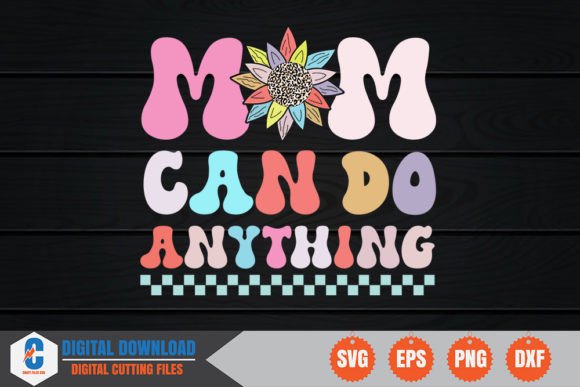
Upon opening the zip file containing the SVG, EPS, DXF, and PNG formats, the first thing I assess is the line quality. Retro designs often rely on bold shapes and vintage typography, which can be a double-edged sword in embroidery. This design succeeds because the lines appear clean and distinct, suggesting it will digitize well into either an applique design or a combination of satin stitch and fill stitch elements. The mood is undeniably warm and confident, evoking a sense of capable nostalgia that resonates deeply with current market trends.
For a handmade product, this visual personality is crucial. It does not look like generic clip art; it carries a curated vintage vibe that elevates the perceived value of the finished product. Whether you are creating custom apparel or home decor, the design’s layout feels balanced. It avoids the cluttered complexity that often causes registration issues on machine, making it a promising candidate for both experienced embroiderers and those newer to the embroidery project workflow.
Real-World Application: The Custom Sweatshirt Test
To truly judge this asset, I mentally placed it in a specific production scenario: creating a premium crewneck sweatshirt for a Mother’s Day boutique collection. Sweatshirt fleece is a textured, stable fabric that generally handles embroidery well, but it demands respect regarding stitch density. In this context, "Mom Can Do Anything Retro" serves as an excellent center chest or back print placement.
The retro aesthetic pairs naturally with heavyweight cotton blends. When stitching this out, I would anticipate using a cutaway stabilizer to prevent puckering on the knit fabric. Because the design is editable and color-changeable, I could easily adapt the thread colors to match trending palettes like muted sage, terracotta, or cream, rather than sticking to standard primary colors. This flexibility is vital for small shop product differentiation. A customer looking for a personalized gift wants something that feels bespoke, and the ability to tweak the colorway within the EPS or SVG file allows for that customization without redigitizing from scratch.
Furthermore, this design has strong potential for tote bag design projects. Canvas totes are a staple for makers, and the bold nature of retro graphics ensures readability from a distance. Unlike intricate floral patterns that might get lost on coarse canvas, the solid shapes typical of this style provide excellent coverage and visual impact, making the commercial embroidery output look professional and retail-ready.
Navigating Fabric Limitations and Hoop Constraints
While versatile, no digital embroidery file is universal. There are specific environments where "Mom Can Do Anything Retro" requires careful handling. If you are working with lightweight baby clothes or stretchy jersey knits, the fabric texture becomes a limiting factor. Retro fonts and shapes can sometimes be dense; if the stitch density is too high for a delicate onesie, the fabric may tear or become stiff. In these cases, testing on scrap fabric is non-negotiable. You may need to adjust the underlay or reduce density in your embroidery software before committing to a baby embroidery project.
Curved surfaces present another challenge. While this design works beautifully on flat items like pillow covers or aprons, placing it on a structured cap requires verification of the hoop size and distortion settings. Retro lettering can warp awkwardly on curved brims if not properly mapped. Additionally, be cautious with tiny details. If the design includes fine accent lines or small text elements, ensure they are large enough to stitch clearly. Running stitches below 2mm can disappear into textured fabrics or cause thread breaks. Always inspect the smallest elements in the file before production.
Dark fabrics also demand attention. Since this is a retro style, it likely relies on color blocking. Ensure you have adequate contrast between the garment and the thread. A dark navy sweatshirt with black outline stitches will fail visually. Use the included PNG file to create a printable mockup or digital preview in black and white to verify contrast levels before threading your machine. This step saves time and materials, ensuring the embroidered patch or direct embroidery pops against the background.
Enhancing Brand Value and Customer Trust
For creative entrepreneurs, design assets are investments. Using "Mom Can Do Anything Retro" effectively can directly influence buyer engagement and brand consistency. High-quality embroidery signals professionalism. When a customer receives a holiday gift or purchases a boutique item, crisp stitching and thoughtful color choices build trust. This design’s editable nature supports that quality standard by allowing you to maintain a cohesive color story across different products, from sweatshirt embroidery to kitchen towels.
The retro theme also taps into emotional purchasing. It celebrates motherhood with a timeless aesthetic that avoids feeling dated or trendy in a disposable way. This longevity increases the giftability of the item. For Etsy seller listings, showcasing this design on multiple substrates demonstrates versatility. However, always confirm licensing terms before selling. While the file is editable, ensuring you have the right to sell finished physical goods versus digital files protects your business. Transparency about what you offer builds long-term customer loyalty.
Practical Notes for Makers and Designers
Before adding this to your production queue, run through this practical checklist to ensure success:
- Verify File Compatibility: Confirm that the SVG, EPS, DXF, or PNG formats work with your specific digitizing or cutting software. The EPS file is noted as compatible with Illustrator, which is excellent for vector editing, but ensure your embroidery machine software reads the converted format correctly.
- Test Stitch Out: Never skip the test run. Use a fabric scrap similar to your final project to check tension, registration, and stabilizer adequacy.
- Check Editability: Open the file to confirm layers are separated logically. Being "100% editable" should mean you can isolate elements for color changes without breaking the design structure.
- Assess Washability: For items like tea towels or custom apparel that face frequent laundering, ensure the stitch type is durable. Satin stitches should be secured properly to prevent fraying over time.
- Mockup Validation: Use the PNG for client approvals or listing photos, but remember that a digital image does not show stitch texture. Be honest in descriptions about the tactile nature of the finished product.
- Licensing Review: Double-check the included documentation regarding commercial use for both physical products and design assets. Protecting your shop starts with understanding your rights.
"Mom Can Do Anything Retro" offers a strong foundation for makers seeking a blend of sentiment and style. By approaching it with technical mindfulness and creative intention, you can transform a digital file into a cherished, high-quality embroidered product that stands out in a crowded marketplace.