If Mom Says No Just Ask Nana SVG Review
As a designer who spends more time behind an embroidery machine than a computer screen, I approach every new graphic with a specific question: will this actually stitch out well? When evaluating the If Mom Says No Just Ask Nana Svg for potential use in my own custom apparel line and client projects, I am looking beyond the cute sentiment. I am analyzing line weight, negative space, and how the vector paths will translate into thread on fabric. This design falls squarely into the popular family humor niche within Crafts and Graphics, but its success as a finished product depends entirely on technical execution.
First Impressions and Visual Hierarchy
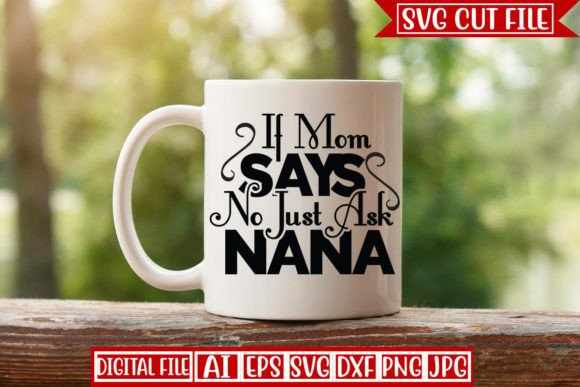
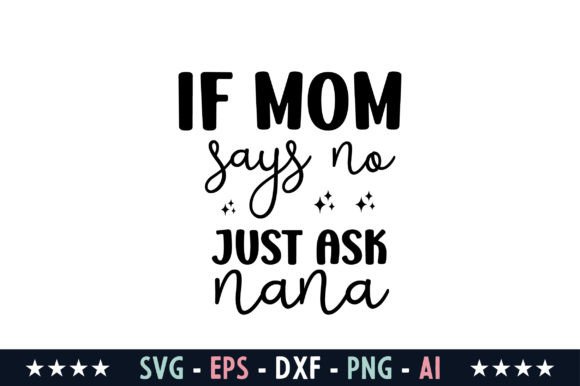
Opening the zip file, which includes SVG, DXF, PNG, EPS, and Ai formats, the first thing I assess is the visual balance. The phrase relies heavily on typography, which is excellent for embroidery because text generally digitizes cleaner than complex illustrations. The mood is playful and cheeky, evoking a sense of warmth and familial bonding. For a handmade product, this emotional connection is just as important as the stitch quality. The layout appears centered and legible, which is crucial when scaling for different hoop sizes. As a 100% vector file resizable at 300 DPI, the lines remain crisp whether I am preparing a small chest logo or a large back print for a sweatshirt.
Real-World Application: The Custom Sweatshirt Test
To truly judge this asset, I mentally placed it on a heather grey crewneck sweatshirt intended for a holiday gift collection. In this scenario, the If Mom Says No Just Ask Nana Svg serves as the primary focal point. Because sweatshirts have a textured fleece interior and a smooth cotton face, they are generally forgiving, but they still require proper stabilization. I envision using a cutaway stabilizer to prevent puckering around the lettering.
For this specific project, I would likely treat this as a combination design. The main text could be executed in a satin stitch for bold visibility, while smaller accent elements might utilize a running stitch to add texture without excessive density. If the design includes any graphical flourishes alongside the text, I would consider converting those sections into an applique design. Appliqué reduces stitch count significantly on larger garments, keeping the sweatshirt soft and wearable rather than stiff and bulletproof. This practical adaptation is what separates professional commercial embroidery from amateur hobbyist work.
Fabric Compatibility and Technical Limitations
While vectors are infinitely scalable, physics still applies to needle and thread. There are specific scenarios where I would advise caution when using this design:
- Stretchy Knits and Ribbing: If placing this on a baby onesie or a stretchy tank top, the design must be stabilized heavily. Thin, stretchy fabrics can distort under the tension of satin stitches, causing the "Nana" text to pull or gap.
- Textured Fabrics: On terry cloth towels or minky blankets, fine details can get lost in the pile. I would recommend adding a water-soluble topping to ensure the stitches sit on top of the fabric texture rather than sinking in.
- Small Hoop Sizes: While the file is resizable, reducing text below a certain threshold risks thread breaks and illegibility. Always check the minimum recommended size before committing to a 4x4 hoop project.
- Curved Surfaces: Stitching this on a structured cap requires careful hooping. The horizontal span of the phrase may need to be arched or resized to fit the limited vertical stitching area of a hat frame.
Commercial Viability for Etsy Sellers and Makers
For fellow Etsy sellers and small shop owners, the versatility of this digital embroidery file is a major asset. The inclusion of multiple formats means you can use the same purchase for various revenue streams. The high-resolution PNG with a transparent background is perfect for creating printable mockups for your online listings without needing to stitch a sample first. Meanwhile, the SVG and DXF files are ready for cutting machines if you want to offer matching vinyl decals or iron-on transfers alongside your embroidered goods.
From a branding perspective, this design has strong giftability. It targets a specific demographic—grandmothers and grandchildren—which tends to have higher conversion rates during holidays and Mother’s Day. However, professionalism matters. Before listing a finished product, ensure your stitch-out is clean. Buyers trust shops that show clear photos of the actual embroidery, not just digital renders. Using this design effectively means demonstrating that you understand how to pair thread colors with fabric backgrounds to maximize contrast and readability.
Designer Notes for Optimal Results
Based on my experience reviewing similar typography-based assets, here are my practical recommendations for using the If Mom Says No Just Ask Nana Svg successfully:
- Always Test Stitch: Never run this design directly onto a final garment without testing on scrap fabric first. Verify that the stitch density is appropriate for your chosen material.
- Check Licensing: While the file is high quality, always confirm the specific license terms included in your download regarding commercial use of finished products versus selling the digital file itself.
- Thread Contrast: This design relies on legibility. Avoid tone-on-tone stitching unless intentional. White thread on navy or black thread on cream offers the best visual impact.
- Stabilizer Selection: Match your stabilizer to the fabric weight. Use tear-away for stable wovens like denim aprons, and cut-away for knits and performance wear.
- Mockup Strategy: Utilize the 300 DPI PNG to create realistic digital previews. Show the design on both light and dark backgrounds to help customers visualize their options.
Elevating the Finished Product Value
Ultimately, a digital file is only as good as the maker's skill in executing it. The If Mom Says No Just Ask Nana Svg provides a solid foundation for a variety of creative projects, from personalized gifts to boutique merchandise. Its clean vector construction suggests it will digitize well, but the final value lies in your attention to detail. By respecting fabric limitations, choosing appropriate stabilizers, and maintaining high standards for stitch clarity, you transform a simple graphic into a cherished keepsake. Whether you are making a tote bag for a craft fair or a custom patch for a family reunion, treating this design with professional care ensures your handmade business stands out for quality, not just clever slogans.