I'm Not Like a Regular Mom I'm a Cat Mama Design Review
As a professional embroidery digitizer and product reviewer, I approach every new graphic with a specific question: will this actually stitch out well, or is it just a pretty screen image? When evaluating the I m Not Like a Regular Mom I m a Cat Mam design, my focus shifts immediately from digital aesthetics to mechanical reality. This phrase carries a distinct personality—witty, relatable, and specifically targeted toward the modern pet parent. However, translating that humor into thread requires careful consideration of stitch density, fabric interaction, and commercial viability for small business owners.
First Impressions and Visual Personality
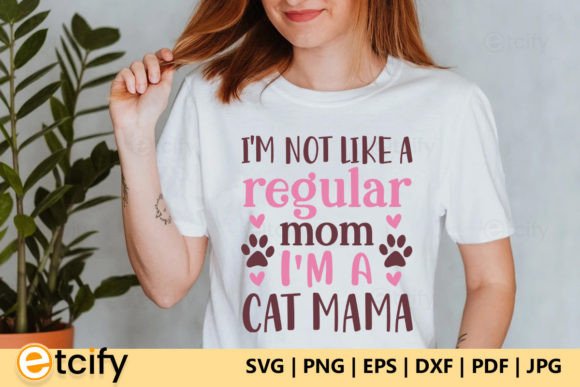
The initial appeal of this design lies in its cultural relevance. It plays on a popular meme format but adapts it for the niche market of cat enthusiasts. For an Etsy seller or craft business owner, this is gold because it targets a passionate demographic. Visually, the layout suggests a balance between typography and iconography. As a machine embroidery design, this balance is critical. If the font is too ornate, it risks becoming illegible when stitched. If the cat graphics are too detailed, they may require excessive stitch counts that pucker lightweight fabrics.
In my assessment, this graphic feels best suited for casual, everyday items rather than formal wear. It has a playful, boutique aesthetic that aligns perfectly with sweatshirt embroidery, tote bag design, and personalized gifts. The mood is lighthearted, which means your thread color choices should reflect that warmth. Avoid overly stark contrasts unless aiming for a bold, graphic look; softer variegated threads or matte finishes often enhance the "handmade product" feel that buyers in this category crave.
Real-World Application: The Custom Sweatshirt Test
To truly judge the utility of I m Not Like a Regular Mom I m a Cat Mam, I mentally place it on a high-demand item: a unisex cotton-blend sweatshirt. This is a staple for apparel decorators and holiday embroidery projects. Sweatshirts have a textured surface and significant stretch, presenting two immediate challenges for any embroidery file.
When stitching this design on fleece or French terry, the primary concern is registration. If the design includes separate elements—like text above a cat silhouette—they must align perfectly after the machine trims and moves. A gap between the lettering and the graphic ruins the professional finish. I recommend using a heavy-weight cutaway stabilizer and potentially a water-soluble topping to prevent the stitches from sinking into the fabric texture. Without a topping, the satin stitch outlines can get lost in the fleece nap, making the witty slogan difficult to read from a distance.
For a custom apparel project like this, consider the placement. Center chest is standard, but for a "cat mama" vibe, a smaller left-chest pocket placement or a large back print with a small sleeve accent often performs better commercially. These placements allow you to adjust the hoop size and reduce the risk of distortion on curved garments. Always run a test stitch-out on scrap fabric that matches your production garment weight before committing to a final piece.
Navigating Fabric Limitations and Hoop Constraints
While this design shines on stable knits, it requires caution on other substrates. If you plan to use this for baby embroidery or lightweight tea towels, you must verify the stitch density. High-density fill stitches combined with dense satin borders can create a bulletproof patch effect on thin fabric, leading to tearing or warping. For delicate items, you may need to edit the digital embroidery file to reduce underlay or switch certain fill areas to running stitch motifs.
Caps and hats present another hurdle. The curvature of a cap brim or front panel distorts flat designs. If I m Not Like a Regular Mom I m a Cat Mam features wide, horizontal lines of text, expect some bowing when stitched on a curved surface. In these cases, I advise resizing the design to fit within a 2-inch height limit for caps or choosing a version of the graphic where the text is stacked vertically. Always use cap-specific backing and ensure your machine’s tension is calibrated for the thicker buckram material.
Dark fabrics also demand attention. If the original SVG or embroidery file was designed for white backgrounds, simply changing thread colors isn't enough. You may need to add a white underlay base to make bright colors pop against black or navy fabric. Without this step, the dark fabric can show through lighter thread colors, making the finished product look muddy and unprofessional.
Commercial Viability for Makers and Sellers
For those running a craft business or selling on platforms like Etsy, this design offers strong potential as a niche bestseller. However, product value is directly tied to execution quality. Customers trust sellers who deliver crisp, clean embroidery. Before listing any finished product featuring I m Not Like a Regular Mom I m a Cat Mam, create printable mockups that accurately represent the stitch texture. Flat vector mockups can be misleading; customers want to see how the thread interacts with the fabric.
Consider diversifying your offerings beyond apparel. This phrase works exceptionally well for embroidered patches, keychains, and even mug wraps (if using sublimation alongside embroidery). For stationery or invitations, the SVG files included with the design assets are ideal for cutting machines like Cricut or Silhouette. This versatility allows you to create cohesive collections—matching a stitched sweatshirt with a vinyl-decaled tumbler—which increases average order value.
Crucial Note on Licensing: Always confirm the specific license terms included with your purchase. While the description mentions use for t-shirts, stickers, and more, you must verify if commercial use of the digital file itself is permitted versus selling physical finished products. Protecting your business means respecting intellectual property and ensuring you have the right to sell what you make.
Designer Notes for Optimal Results
To ensure your projects succeed, keep these practical technical tips in mind when working with this design:
- Stabilizer Selection: Match your stabilizer to the fabric, not just the design. Use cutaway for stretchy knits and tear-away only for stable wovens.
- Thread Contrast: Test thread colors in natural lighting. What looks good on a monitor may lack contrast when stitched. Variegated threads can add depth to the "cat" elements.
- Small Details: If the design includes tiny text or whiskers, verify they are at least 1mm wide. Anything smaller may break needles or fray during washing.
- Wash Testing: If selling baby items or kitchen textiles, wash your test sample three times. Check for thread shrinkage or stabilizer residue that could irritate skin.
- Mockup Accuracy: Use photos of actual stitch-outs for your listings whenever possible. Real textures build buyer confidence far better than digital renders.
- File Verification: Since specific stitch counts and formats aren't listed here, open the file in your embroidery software first to check dimensions and compatibility with your machine's hoop size.
Final Thoughts on Production Value
I m Not Like a Regular Mom I m a Cat Mam is more than just a cute saying; it is a versatile asset for the creative entrepreneur. Its success depends entirely on your willingness to adapt it to the physical constraints of embroidery. By respecting fabric texture, managing stitch density, and testing thoroughly, you transform a digital graphic into a high-quality handmade product that resonates with customers. Whether you are creating a personalized gift for a friend or stocking your shop for the holiday season, treat this design with the technical rigor it deserves, and the results will speak for themselves.